

Can People Tell What You Do?
You know you can help people. You may even believe that if the right people truly understood what you do, they would be ready to work with you. But do they understand it?
Somewhere out there, right now, someone is meeting your business for the very first time. Maybe she's skimming your Instagram or Facebook bio. Maybe she landed on your website from a Google search. Maybe you just met her in person and she asked the question every business owner secretly dreads a little: "So... what do you do?"
However she found you, she's quietly answering one question in her head: "Now what is it that she does?" And here's the tender truth - if the answer is I think she... or I'm not quite sure... she almost never tells you. She doesn't email to say your homepage confused her. She doesn't ask you to explain your bio. She just moves on, politely and silently, and you never know she was there.
That's why your message, the plain words you use to describe your business, might be the hardest-working piece of your entire setup. It's the thing that makes the first of your five pieces actually work. So let's give it a checkup.
The First-Glance Test:
People make quick decisions. Not because they are impatient or unkind, but because they are busy and skimming. Whether they are looking at your website, your social media bio, or your booth at a local market, they are trying to understand what you do without working too hard to figure it out. At first glance, your message needs to communicate three things:
What you do. Who it's for. What they should do next.
That's it. Not your certifications, not your origin story, not your seven service packages. Those all matter - later. In the first two seconds, the only job is recognition: "Oh, this is for me" or "I know someone who needs this."
Clear Beats Clever, Every Time. Here's where a lot of us get tangled up. We think our message needs to be catchy. Poetic. Impressive. So we write something like "Empowering visionaries to elevate their journey", and it sounds lovely, and yet it tells the reader absolutely nothing. Clever is what makes a message confusing. Clear is what makes it work.
A clear business message usually fits a shape as simple as this:
I help [who] with [what], so that [what changes for them]. For example:
"I help family photographers set up simple booking and follow-up systems, so inquiries stop slipping through the cracks."
Nobody's putting that on a coffee mug and yet the right person reads it and thinks, that's me, I need that. That reaction is worth more than every clever tagline ever written.
If writing yours feels harder than it should, that's normal. It's genuinely difficult to read the label from inside the jar. Draft it plain, even a little boring. Boring-but-clear will outsell beautiful-but-vague every single day.
Say It the Same Way, Everywhere. Now the part that most business owners miss and the real heart of this post. Once you have your clear sentence, it needs to show up everywhere, in the same words:
Your website headline - the first thing visitors see, before they scroll
Your Instagram and Facebook bios
Your LinkedIn headline
Your email signature
Your Google Business profile, if you have one
And yes - your own mouth, when someone asks what you do
Why the repetition? Because familiarity is how strangers become warm. When someone sees the same clear message on your Instagram, then your website, then hears you say it at a local event, each encounter reinforces the last. She starts to feel like she knows what you're about because she does.
But when your website says one thing, your bio says another, and your in-person answer is a third thing entirely, every touchpoint starts the introduction over from zero. It reads as scattered even when the business behind it is anything but.
And a gentle warning, because it's true for all of us: you will get tired of your message long before your audience even notices it. The moment you're bored of saying it is usually the moment it's finally starting to stick. Resist the urge to freshen it up every few months. Consistency is doing quiet work you can't see.
The Out-Loud Test:
Want to know if your message is actually clear? Say it out loud. Stand in your kitchen and answer the question "So, what do you do?" using your website headline, word for word. If it sounds stiff or silly spoken aloud, or you run out of breath before the end, it needs simplifying. The version you can say naturally to a stranger at a farmers market is almost always the version your website needed all along.
Then go one step further: ask a friend who isn't in your industry to read your homepage or bio for five seconds, look away, and tell you what you do. If she hesitates, or gets it wrong, that's not failure - that's free, priceless editing. You've just seen your business through a stranger's eyes, which is something you can never quite do yourself.
Your Quick Win for Today
Write your one clear sentence: who you help, what you help them with, what changes for them (the transformation). Plain words. No jargon, no poetry.
Then pick just two places to install it today: your website headline and one social bio. Not everywhere at once, not a full rebrand this afternoon. Two places, same words, done before dinner.
That's it. You've just made every future first impression easier.
Once They Get It, What's Next? Here's the lovely thing that happens when your message gets clear: more of the right people start raising their hands and begin joining your list, sending inquiries, saying "tell me more."
Which raises the next question: what happens after they show interest? That's where most small businesses quietly lose people. Not at the introduction, but in the follow-up.
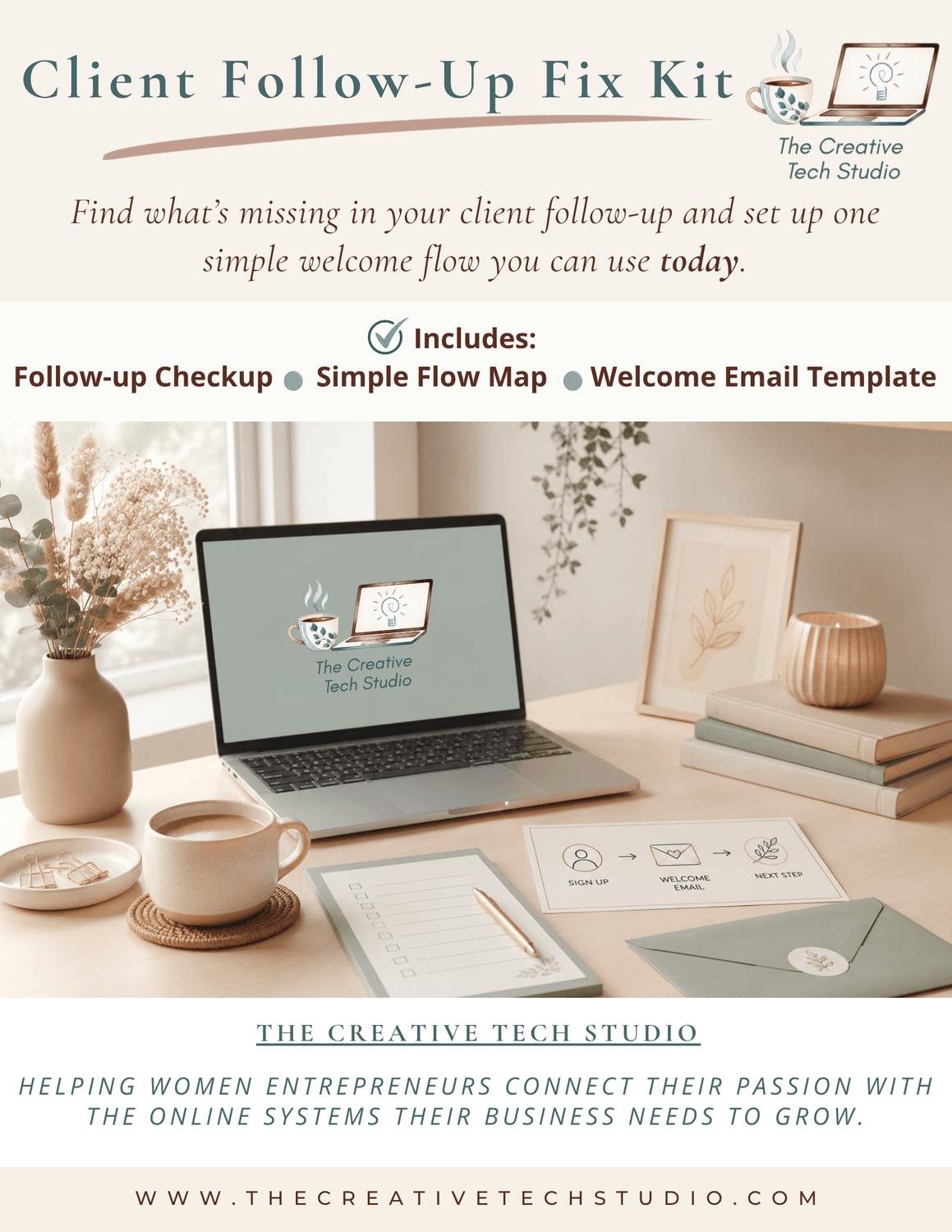
I created a free resource for you called The Client Follow-Up Fix Kit. to help you see whether the pieces of your follow-up are connected. It includes a simple checkup, a four-step flow map, and a customizable welcome email you can begin using right away. Because being understood is the first step. Being remembered is the next.
Written by:
Janet Farmer





About me
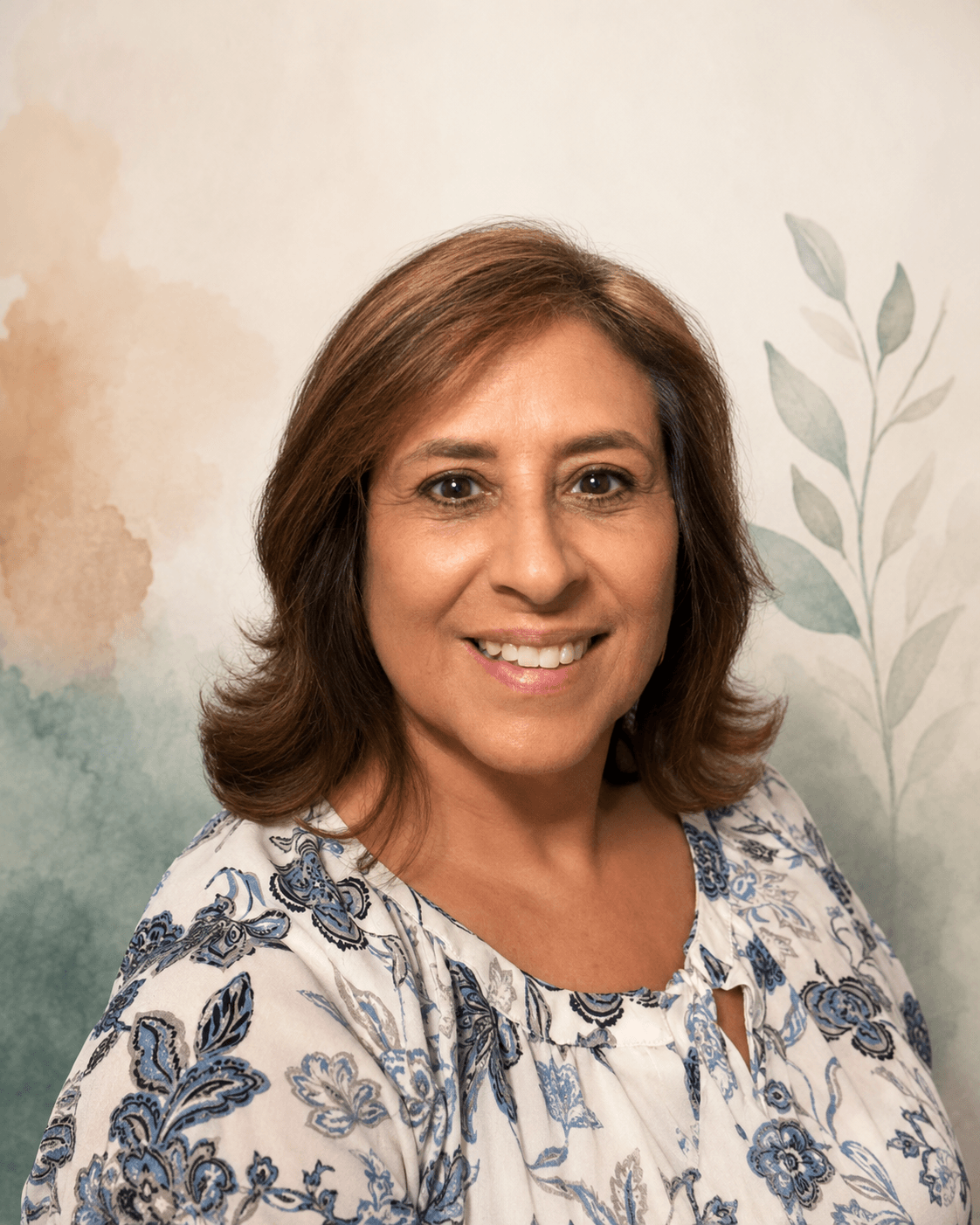
Hi - I'm Janet Farmer. I help women business owners organize the behind-the-scenes pieces of their business - like email, lead capture, websites, optimizing social media and simple automations, so everything works together more smoothly.

Want to chat first?
Message me on Instagram or send an email to:
hello@thecreativetechstudio.com