


When Someone Searches for Your Business, What Will They Find?
A friend mentions your business over coffee. Someone meets you at a networking event and likes what you are about. She sees your name pop up in a local Facebook group.
Later that evening, she does what most of us do. She pulls out her phone and searches for you.
What does she find?
For many small businesses, the honest answer is not much. Maybe she finds an old Facebook page, an Instagram profile that takes some scrolling to understand, a directory listing with the wrong hours, or a website that expired two years ago.
Sometimes, she finds nothing at all.
Here is what makes that moment so important. She was already interested. She was not a stranger randomly wandering around the internet. She heard your name, wanted to know more, and went looking for you. If there is no clear, dependable place for her to land, the interest created by a referral or a great conversation has nowhere to go.
Social Media Is Helpful, but It Is Not Your Home.
Your social media profiles do real work. They help people notice you, get a feel for your personality, and see that your business is active. Keep using them. But a social media profile is a like a rented room, not a home.
The platform decides what visitors see first. Your best posts can quickly get buried. Someone may have to scroll through weeks of content just to figure out what you offer. Not everyone uses the same platform, either. Your ideal client may be the one person in town who never opens Instagram.
A website is different.
It is the place online where you have the most control over what your business says, how it looks, and what a visitor is invited to do next. It gives search engines a page to recognize and index.
Referrals can be sent directly to it.
Your social media bios can point to it.
The woman who met you at a local event has somewhere solid to land when she searches for your name later.
One quick pause here: putting up a website does not mean strangers will suddenly pour in from Google. Building search visibility takes time and usually requires other pieces working together. What a website does immediately is give every path to your business one clear destination. So yes, I do recommend you have one.
Your First Website Does Not Need to Be Complicated.
Maybe you have been putting off your website because it sounds like a large, expensive project. Here is some relief. For many small service-based businesses, a simple one-page website is enough to begin. Truly.
One clear page can include everything a first-time visitor needs to know:
What you do and who you help
The problem you help solve
A little about you, so she can trust the person behind the business
One clear next step, such as booking a call, grabbing a free resource, or sending a message
Accurate contact information
That is enough to give someone a clear introduction to your business and a way to move forward. You do not need a blog on day one, a seven-page menu, complicated animations, or every possible detail about every service you might someday offer.
A clear, calm page that answers her questions is far more useful than an impressive website that never gets finished.
And if you are wondering what the words on that page should say, I have written a whole post about that: Can People Tell What You Do? Having a website gives people a place to find you. Clear messaging helps them understand what you offer once they arrive.
Your Quick Win for Today
Search for your business the way a potential customer would.
Open a private or incognito browser window to reduce some of the influence from your usual browsing history. Then search for these three things:
Your business name
Your own name
The service you offer in your area, such as “dog trainer in Lakeland”
Look at the results with fresh eyes:
Is the information accurate?
Can someone quickly tell what you do?
Is there an obvious place to learn more, contact you, or take the next step?
Do old profiles, outdated information, or closed businesses appear?
Whatever you find, you now know more about what an interested person experiences when she goes looking for you and that picture is worth more than generic website advice because it shows you your real starting point.
You may discover that your website needs an update. You may realize you need to correct an old listing. You may find that your social media profiles appear, but there is no central place that brings everything together. You do not have to fix it all today. Start by identifying the one thing that would make it easier for someone to find accurate information about your business.
And Once She Finds You?
Your website gives someone a place to find you, understand what you offer, and decide whether she wants to learn more. But once she fills out a form, downloads a resource, or reaches out, what happens next?
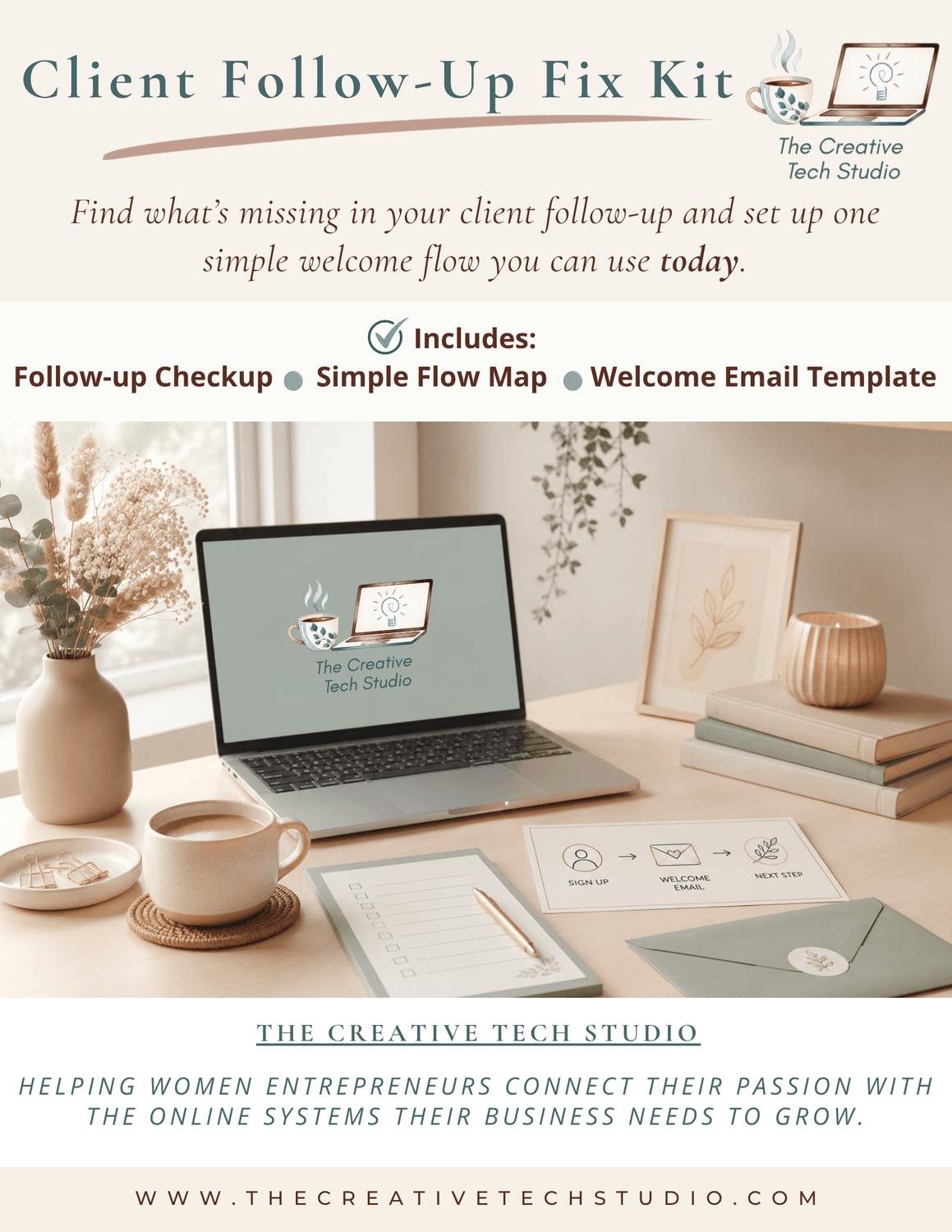
That is where the free Client Follow-Up Fix Kit comes in. It includes a simple checkup to help you spot the gaps in your follow-up, a four-step flow map showing how the pieces connect, and a customizable welcome email you can begin using right away.
→ Grab the free Client Follow-Up Fix Kit
Because being talked about is wonderful. Being findable gives an interested person somewhere to land and a clear way to take the next step.
Written by:
Janet Farmer





About me
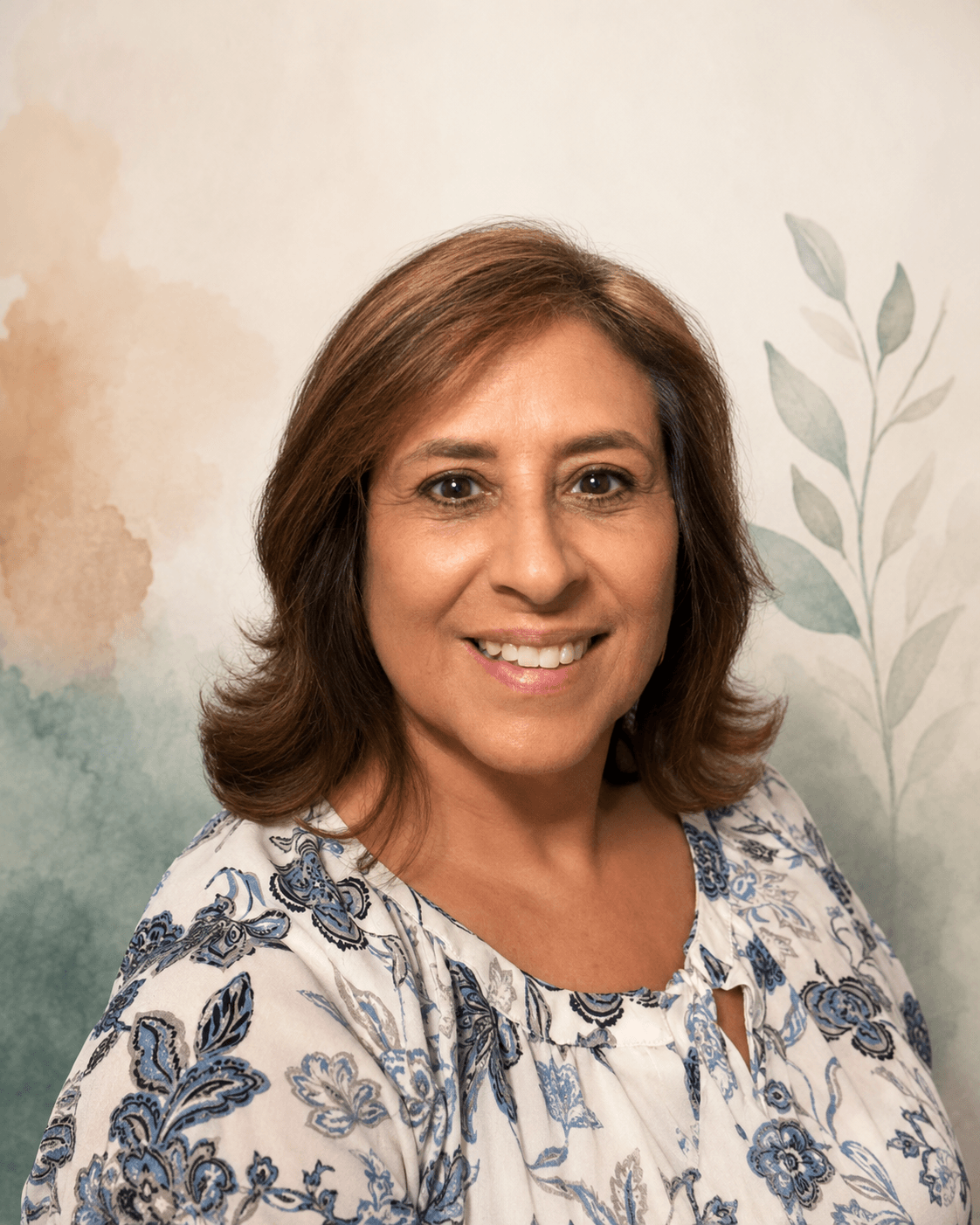
Hi - I'm Janet Farmer. I help women business owners organize the behind-the-scenes pieces of their business - like email, lead capture, websites, optimizing social media and simple automations, so everything works together more smoothly.

Want to chat first?
Message me on Instagram or send an email to:
hello@thecreativetechstudio.com